
From the Executive Director
Pew or PU?
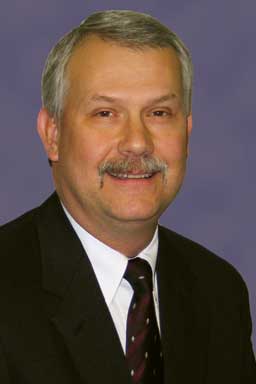
Tom Burkgren, DVM
The Pew Commission on Industrial Farm Animal Production released its final report on April 29, 2008 (http://www.ncifap.org/_images/PCIFAP%20FINAL%20REPORT.pdf). It came as no surprise to anyone in animal agriculture that the report was not very complimentary of the way we raise animals for food. In fact, the title of their press release states “Pew Commission says industrial-scale farm animal production poses ‘unacceptable’ risks to public health environment.” The die was cast months before for that statement. The circulating joke among the food-animal organizations was that the report was written before the commission ever met, ie, it was a predetermined conclusion looking to attach itself to a yet-to-be-named commission. Unfortunately, this is no laughing matter.
The sobering fact about this commission is that it will not be easily dismissed. As time goes on, this report will begin to take on a life of its own. It will be cited and quoted repeatedly. It will appear as a reference in comments, papers, and presentations for years to come. It will make excellent fodder for those advocating for an end to the raising of animals for food. The impact of the commission is not known yet, but the threat remains. It is feared that legislators may take up the cause and want to regulate aspects of animal production they do not understand. If that were to happen, it is a sure bet that the law of unintended consequences will come into play.
The report makes several broad accusations against animal agriculture, but repeatedly fails to reveal any ability to consistently back its claims with new scientific data. Several technical reports from the commission are still due at the time of writing this column, so perhaps some transparency of the process will be revealed. If transparency is not forthcoming as to the interpretation and use of scientific data within the commission’s deliberations, then the report is nothing more than personal opinions subject to biases and intolerance. Selective and over-reaching interpretations of scientific studies do little to protect public health or improve animal agriculture. The report does not inspire any confidence in the objectivity of the commission. The commission states that “the scientific evidence is too strong to ignore,” but does not adequately support that statement with the actual evidence.
Perhaps we should all just plug our ears and loudly hum the theme song from “The Sound of Music,” hoping this report will go nowhere and impact nothing on the farm. But what if it doesn’t go away? What if some legislator decides to seize the day and pass a law banning certain uses of antimicrobials or a law that requires an onerous record-keeping system? What if certain production practices were outlawed? Such consequences become much more important when they impact your day-to-day business.
What do we need to do? First of all, we can agree with a part of the commission’s key recommendations: increase funding for animal agriculture research. More money is needed to do research that truly benefits the health and well-being of food animals, as well as providing security against the incursion of a foreign animal disease. Governmental funding, in real dollars, for food-animal research has been shrinking for years. Congress and the administration show no particular interest or financial commitment in helping us solve disease problems or doing more to protect animal populations from foreign or emerging diseases.
However, the part of that recommendation giving me heartburn is the part that goes on to say “expand and reform” such research. I’m sorry, but by this point in the process, I have to be honest and say that I don’t trust the commission or their “reform” agenda. I do not believe that their intent is to fund research that will benefit the health and welfare of animals or public health as much as it will be used to provide more anti-agriculture rhetoric. So it is up to us to carry the advocacy for the animals under our care to Congress, state legislatures, federal regulatory agencies, and the consuming public.
What else can we do? We can tell the truth! We all need to tell the truth about the global need for meat production as a preferred source of protein. We need to tell the truth about the “good old days,” including the extensive rearing of pigs, not being so good. We need to tell the truth that raising animals is not for the faint of heart or weak – it is hard, stressful work – every day – no days off. We need to tell the truth that pigs get sick and should be allowed to enjoy the treatment, prevention, and control of infectious diseases. All of this requires us to tell the facts of pork production and how proposed changes will affect the hogs under our care.
We can tell the truth that we are not perfect. There are always ways in which we can improve upon how we care for pigs. Sometimes bad things happen. New diseases arrive on the scene. Old diseases re-emerge. Past lessons are sometimes forgotten. These are brutal facts that we can acknowledge and correct, and move on. The whole point behind the AASV mission of increasing the knowledge of swine veterinarians is to recognize that we can and will do better.
Lastly, we need to be prepared for change. It may be change driven by legislative and regulatory mandates. It may be change driven by market forces. It could be here next year or 10 years from now. The certainty of change is that it will happen. The uncertain part is will we be ready?
--Tom Burkgren, DVM