
From the Executive Editor
Hire a student
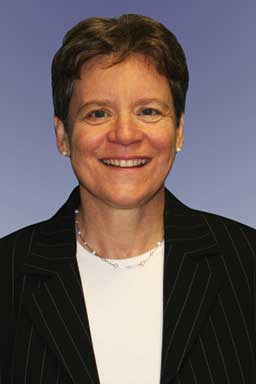
Cate Dewey, DVM MSc, PhD
I was a freshly minted PhD graduate when I arrived as an Assistant Professor at the University of Nebraska in 1992. Within a few days, Dr Barb Straw called to say that Dr Steve Henry had invited several swine veterinarians to attend a workshop on swine nutrition presented by the Kansas State experts. It was a fantastic experience for me, having just moved from Canada and still feeling out of touch with the Midwest. The K-State nutrition team impressed me with their knowledge, excitement, and focus on following scientifically sound research protocols. In 2 days, I learned a lot about nutrition. But, more than that, having Dr Henry and Dr Straw include me in this meeting made me feel like I was accepted as one of the team. It opened my mind to the opportunities available and gave me confidence to move forward in this section of the swine industry that was new to me. They gave me a gift that I will never forget.
Last week, I met with a group of first- and second-year veterinary students for a lunch-time mentor group. I asked the students what they hoped to do when they graduated. Andrew Zwambag said he wanted to work in the swine industry and then added “If there are jobs in the swine industry.” His comment reminded me of a conversation that took place during the meeting in Kansas back in 1992. It has haunted me ever since. A well-respected senior swine practitioner said “In another 5 years, we will only need a handful of swine veterinarians in the USA.” Although I felt shy and out of place at this meeting, I was so incensed by his comment that I spoke up. I argued that pigs would need veterinary care whether they were in small family farms or in large corporate farms. In 1992, the United States was rapidly eliminating pseudorabies, porcine reproductive and respiratory syndrome had not hit the industry in any meaningful way, and porcine circovirus type 2 was science fiction. Veterinarians were busy helping producers deal with production issues and diseases caused by Actinobacillus pleuropneumoniae and coccidiosis.
Last fall, I met with the board of directors of the Poultry Industry Council in Ontario. These producers represent the feather boards: broiler chickens, egg layers, turkeys, and broiler breeder farms. One of their biggest concerns was that we are not graduating sufficient numbers of veterinarians to work with the poultry industry. Like the swine industry, the poultry industry in Ontario is big business and the producers need help from our profession. Many veterinarians currently assisting the poultry industry are ready to retire. When veterinarians do not come forward to serve these industries, others without our professional training take the responsibility. I met a senior student on my swine rotation who grew up on a poultry farm. She hopes to be employed in a mixed-animal practice when she graduates in May. When we discussed whether or not she would work on poultry units, her response was frustrating. She said she did not think poultry units needed the help or expertise of veterinarians. Surely our broad understanding of comparative physiology, disease and production processes, biosecurity, and welfare are useful to these industries. I shudder to think what would happen to the swine industry if we wash our hands of our responsibility to it as veterinarians.
I have heard swine veterinarians and academics say that we cannot produce a competent veterinarian to serve the swine industry during a 4-year veterinary degree program. There is so much to learn, the industry expects so much, and each farm is worth millions of dollars. Some say they cannot possibly hire veterinarians directly out of school. If we really believe in the swine industry and in the place for veterinarians in this industry, then we all have to do our parts to ensure the future of our profession in this industry. Where would I be today if people had not taken a risk by hiring me as a new graduate veterinarian or as a newly minted PhD? We all believe in life-long learning, but we also all started with an opportunity. Think back to how you began. Did a veterinarian take you under his or her wing and give you a chance to get some experience? Most of us have stories of veterinarians who took us on farm calls before we graduated, perhaps even before we entered veterinary college.
Bob Friendship and I met with Andrew Zwambag to arrange a summer job for him in the swine industry. Later, Andrew wrote in an e-mail “Thank you for meeting with me. Your enthusiasm for your research projects and swine medicine was refreshing and encouraging.” He is just the person to replace one of you who is ready to retire – don’t you think?
Students need the opportunity to gain experience outside the classroom. You have the tools to provide these opportunities. I encourage each of you to mentor the next wave of eager young swine veterinarians. They will keep our industry and our association strong.
-- Cate Dewey, DVM, MSc, PhD